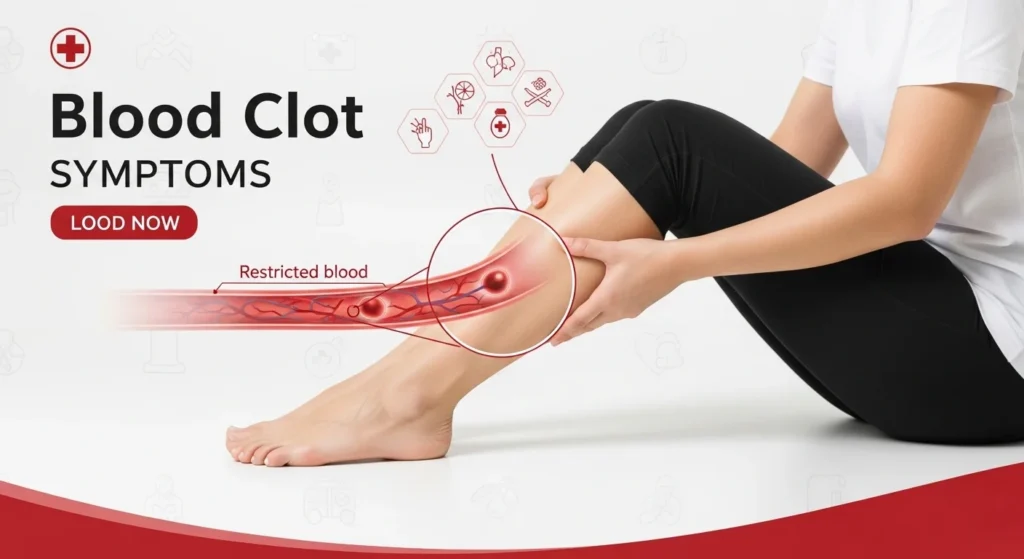
Sometimes a strange pain or swelling in your body can make you stop and wonder what’s going on. Maybe your leg suddenly feels tight, warm, or sore even though you didn’t injure it.
Or perhaps you notice unusual chest pain or shortness of breath that seems to come out of nowhere. Situations like this can be scary, and many people start searching online for answers. One common question people ask is “what does a blood clot feel like?” Understanding the possible signs can help you recognize when something might be wrong and when it’s time to seek medical help.
Quick Answer:
A blood clot often feels like sudden swelling, pain, warmth, or redness in one area of the body, most commonly in the leg.
What Does a Blood Clot Feel Like?
A blood clot happens when blood thickens and forms a solid mass inside a blood vessel. Normally, clots help stop bleeding when you get injured. However, when a clot forms inside a vein or artery without a good reason, it can block normal blood flow.
Plain-English Explanation
When blood cannot move normally through a vessel, pressure builds up in that area. Because of this, the surrounding tissues may become swollen, painful, or warm.
The exact feeling depends on where the clot forms.
Common Sensations
People often describe a blood clot as:
- A deep, aching pain
- Sudden swelling in one limb
- Warmth in the affected area
- Red or discolored skin
- Tenderness when touching the area
These symptoms are most common with deep vein thrombosis, a clot that usually forms in the leg.
Example Situation
“my calf feels swollen and sore, and it’s warmer than the other leg.”
Summary:
A blood clot often feels like swelling, pain, warmth, or tenderness in one part of the body, especially the leg.
Where Blood Clots Commonly Occur
Blood clots can develop in different parts of the body, and the symptoms may vary depending on the location.
Leg (Deep Vein Thrombosis)
This is one of the most common types.
Symptoms may include:
- calf or thigh pain
- swelling in one leg
- warmth in the skin
- redness or dark discoloration
Tone of pain: deep, aching, or cramp-like
Lungs (Pulmonary Embolism)
Sometimes a clot travels to the lungs, which can be dangerous.
Symptoms may include:
- sudden shortness of breath
- chest pain when breathing
- rapid heartbeat
- coughing
Arm
Although less common, clots can occur in the arm.
Symptoms may include:
- swelling in one arm
- pain or heaviness
- warm skin
Brain
A clot in the brain can cause a stroke.
Symptoms may include:
- sudden confusion
- trouble speaking
- weakness on one side of the body
Realistic Symptom Descriptions
People experiencing a blood clot often describe the feeling in everyday language like this:
- “my calf feels tight and swollen”
- “one leg looks bigger than the other”
- “the pain feels like a deep cramp”
- “my leg is warm and sore”
- “i have sudden chest pain when breathing”
- “my leg feels heavy and tender”
- “it hurts when i walk”
- “the area is red and hot”
- “my leg feels tight like a pulled muscle”
These descriptions show how symptoms can sometimes be mistaken for muscle pain or injury.
When to Seek Medical Help
Blood clots can be serious, so recognizing symptoms early is important.
When You Should Get Medical Help
Seek medical care if you notice:
- swelling in one leg or arm
- severe or unexplained pain
- warm or red skin
- sudden shortness of breath
- chest pain while breathing
These could be warning signs of a clot.
When It May Be Less Serious
Some symptoms might come from other causes such as:
- muscle strain
- bruising
- cramps
- minor injuries
However, if symptoms are unusual or worsening, it’s safer to get checked by a doctor.
Do and Don’t List
Do
- pay attention to unusual swelling or pain
- seek medical advice quickly if symptoms appear
- monitor symptoms carefully
Don’t
- ignore severe swelling in one limb
- assume it’s only a muscle cramp
- wait too long if symptoms worsen
Quick Comparison Table
| Symptom Context | Example Feeling | Why It Matters |
|---|---|---|
| possible blood clot | one leg swollen and warm | common clot symptom |
| muscle strain | soreness after exercise | usually improves with rest |
| cramp | sudden tight pain | often short-lasting |
| injury | bruising and swelling | linked to physical trauma |
| emergency sign | chest pain and shortness of breath | may signal lung clot |
Other Conditions That Can Feel Similar
Several conditions may cause symptoms similar to blood clots.
| Condition | What It Feels Like | Difference |
|---|---|---|
| muscle strain | sore or tight muscle | usually follows exercise |
| leg cramps | sudden sharp pain | goes away quickly |
| varicose veins | aching or heavy legs | usually visible veins |
| infection | redness and warmth | often includes fever |
| fluid retention | swelling in both legs | not usually painful |
Because symptoms can overlap, medical evaluation is important when symptoms are unusual.
Frequently Asked Questions
1. Can a blood clot feel like a pulled muscle?
Yes. Many people initially think it’s a muscle strain because the pain can feel similar.
2. Does a blood clot always hurt?
Not always. Some clots cause mild discomfort or swelling instead of severe pain.
3. How fast do blood clot symptoms appear?
Symptoms can develop suddenly or gradually over hours or days.
4. Is swelling always present with a blood clot?
Swelling is common, especially with leg clots, but not every clot causes obvious swelling.
5. Can a blood clot go away on its own?
Some small clots may resolve naturally, but many require medical treatment to prevent complications.
6. What increases the risk of blood clots?
Risk factors may include:
- long periods of sitting
- surgery or injury
- certain medical conditions
- smoking
- pregnancy
7. Are blood clots dangerous?
Yes. If a clot travels to the lungs or brain, it can cause serious medical emergencies.
Final Thought
Understanding what a blood clot feels like can help people recognize possible warning signs early. Many people describe the sensation as deep pain, swelling, warmth, or redness in one area of the body, especially the leg. In some cases, symptoms may seem mild or resemble a muscle injury, which is why clots can sometimes be overlooked.
Because blood clots can become vif they move to vital organs like the lungs or brain, it’s important to take symptoms seriously. Paying attention to unusual swelling, persistent pain, or sudden breathing problems can make a big difference in getting timely medical care.
If something feels unusual or concerning, seeking medical advice quickly is always the safest step.

Joseph Tylor is a writer who loves crafting humorous and engaging content. He enjoys creating clever jokes, puns, and lighthearted stories. His work aims to entertain and bring smiles to readers of all ages.