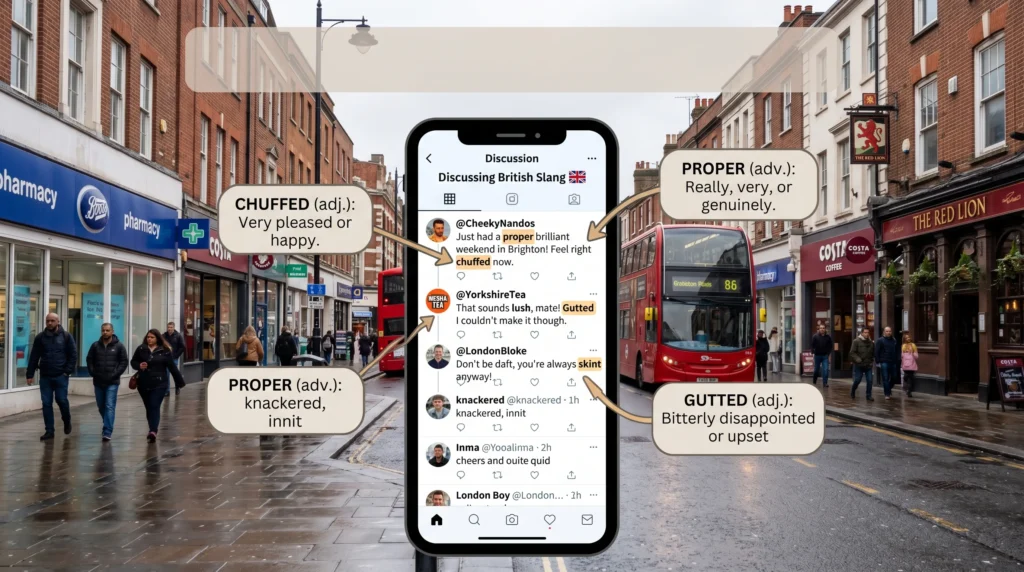
Have you ever been scrolling through social media, watching a British TV show, or reading online comments when you suddenly saw someone call another person a “nonce”? The first time many people encounter the word, they assume it’s just another piece of internet slang.
However, in the UK, the term carries a much stronger meaning than most people realize. Because of this, understanding the word before using it is important. If you’re wondering what nonce means in the UK, this guide explains the meaning, where it comes from, how people use it, and why it can be considered highly offensive.
Quick Answer: In the UK, nonce is a highly insulting slang term most commonly used to refer to a person believed to be a child sex offender or someone considered sexually inappropriate toward minors.
What Does Nonce Mean?
The word nonce is British slang with a very serious and negative meaning.
Today, it is most commonly used as an insult directed at someone accused of or associated with sexual offenses involving children. Because of this connection, it is one of the strongest insults in modern British slang.
Is Nonce an Acronym?
There are several stories about where the word originated, but there is no universally accepted official acronym behind its modern slang meaning.
Plain-English Explanation
When someone in the UK calls another person a nonce, they are making a very serious accusation or insult.
Because of the severity of the term, people should be extremely careful when using it.
Example Sentence
“People online started calling him a nonce after the allegations appeared.”
Summary: In modern UK slang, nonce is a highly offensive term referring to a suspected child sex offender or someone viewed as sexually inappropriate toward minors.
Why Is the Word Nonce So Serious?
Unlike many internet slang terms, nonce is not a harmless joke.
The word is associated with criminal behavior and carries a strong social stigma.
Why People Avoid Using It Casually
Calling someone a nonce can:
- Cause serious offense
- Damage reputations
- Create legal problems if used falsely
- Lead to arguments online and offline
Because of this, the term should not be used casually or jokingly.
Public Perception
In British culture, being labeled a nonce is considered extremely negative and insulting.
Where Is the Word Nonce Commonly Used?
Although nonce originated in the UK, the internet has spread the term to many countries.
Social Media
You may see it on:
- X (Twitter)
- TikTok
Online Gaming
Players sometimes misuse the term as an insult during arguments.
Comment Sections
British internet users frequently use the word in discussions about scandals or controversies.
Memes
Some memes include the term, although its meaning remains serious.
Tone of the Word
The tone is generally:
- Offensive
- Insulting
- Accusatory
- Negative
It is not considered formal or professional language.
Realistic Conversation Examples
Example 1
person 1: why is everyone upset online?
person 2: someone called him a nonce
Example 2
person 1: what does nonce mean?
person 2: it’s a very serious insult in the uk
Example 3
person 1: should i use that word as a joke?
person 2: definitely not
Example 4
person 1: i saw that term in a british comment section
person 2: it’s much stronger than most people think
Example 5
person 1: why was the post removed?
person 2: it included accusations and called someone a nonce
Example 6
person 1: is nonce just internet slang?
person 2: no, it has a very serious meaning
Example 7
person 1: i heard it in a british tv show
person 2: it’s a common insult there
Example 8
person 1: can that word get you in trouble?
person 2: yes, especially if you’re falsely accusing someone
Example 9
person 1: is it used worldwide?
person 2: mostly in the uk, but people online know it too
Example 10
person 1: is nonce a friendly joke?
person 2: no, it’s considered highly offensive
Usage Comparison Table
| Context | Example Phrase | Why It Works or Doesn’t Work |
|---|---|---|
| Educational discussion | “what does nonce mean?” | Appropriate learning context |
| Dictionary definition | “nonce is a british slang term” | Informational use |
| Casual joke | “you’re such a nonce lol” | Inappropriate and offensive |
| Professional email | Using nonce | Not appropriate |
| News discussion | Explaining the term | Contextually appropriate |
Similar Insults and Related Terms
While nonce has a specific meaning, people sometimes compare it with other insults.
| Term | Meaning | Notes |
|---|---|---|
| Creep | Uncomfortable or suspicious person | Less severe |
| Pervert | Person with inappropriate sexual behavior | Broader meaning |
| Predator | Person who targets victims | More serious accusation |
| Weirdo | Strange person | Much milder |
| Nonce | Specific serious UK insult | Highly offensive |
Important Difference
Nonce is much more serious than words like “creep” or “weirdo.” It should never be treated as ordinary internet slang.
Frequently Asked Questions
What does nonce mean in the UK?
It is a highly offensive British slang term commonly used to refer to a child sex offender or someone accused of such behavior.
Is nonce a bad word?
Yes. It is generally considered a very offensive insult.
Can nonce be used as a joke?
It is not recommended because many people view it as extremely serious.
Is nonce only used in the UK?
It is primarily British slang, although internet users worldwide may recognize it.
Is nonce a texting abbreviation?
No. It is not a texting abbreviation or acronym.
Why do people use the word online?
It is often used during arguments, controversies, or discussions involving accusations.
Should I use the word nonce?
Unless you are discussing the term’s meaning or explaining its usage, it is generally best to avoid using it.
Final Thought
If you’ve been asking what does nonce mean in the UK, the answer is important because the term carries much more weight than ordinary slang. In modern British English, nonce is a highly offensive insult associated with child sexual offenses and serious accusations.
Because of its strong meaning and potential consequences, it should be used with caution and understood in its proper cultural context. Knowing the meaning can help you better understand British conversations, online discussions, and social media content without accidentally misusing the term.

Joseph Tylor is a writer who loves crafting humorous and engaging content. He enjoys creating clever jokes, puns, and lighthearted stories. His work aims to entertain and bring smiles to readers of all ages.