Have you ever noticed a dark stain growing in a bathroom corner, around a window, or on a basement wall and wondered if it might be black mold? Many people first discover suspicious dark spots while cleaning their homes or scrolling through home-maintenance videos online. At first glance, it can look like ordinary dirt, mildew, or water damage.
However, black mold often has distinct characteristics that make it different from other household stains. Knowing what black mold looks like can help you identify potential problems early and take the right steps to address moisture issues before they become more serious.
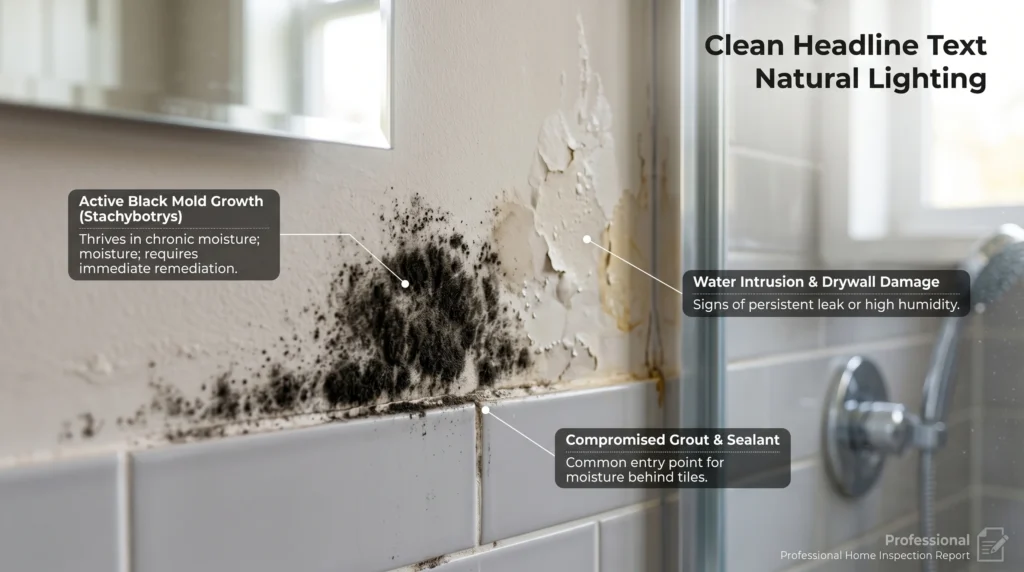
Quick Answer: Black mold typically appears as dark green, dark gray, or black patches with a spotty, fuzzy, slimy, or irregular texture, often growing in damp areas with water damage.
What Does Black Mold Look Like?
Black mold is a type of mold that grows in moist environments. Although people often use the term “black mold” to describe any dark-colored mold, not all black-looking mold is the same species.
Common Appearance
Black mold may appear as:
- Dark black patches
- Greenish-black spots
- Dark gray clusters
- Circular colonies
- Irregular blotches
The growth often spreads outward over time.
Texture
Depending on moisture levels, black mold may look:
- Fuzzy
- Velvety
- Slimy
- Wet
- Powdery
Fresh mold in damp areas may appear shiny or slimy, while older mold can look dry and dusty.
Example
You might notice a black, uneven patch spreading across drywall near a leaking pipe.
Summary: Black mold usually appears as dark, irregular patches with a fuzzy, slimy, or powdery texture in damp areas.
Where Is Black Mold Commonly Found?
Mold needs moisture to grow, so it is most often found in areas exposed to water or humidity.
Bathrooms
Common locations include:
- Shower walls
- Bathroom ceilings
- Around bathtubs
- Under sinks
Basements
Basements often have higher humidity levels, making them common mold-growth areas.
Windows
Condensation around windows can create ideal conditions for mold.
Kitchens
Mold may grow around:
- Sinks
- Dishwashers
- Refrigerators
- Water lines
Water-Damaged Areas
Any location affected by:
- Roof leaks
- Plumbing leaks
- Flooding
- Water damage
can develop mold growth.
What Colors Can Black Mold Be?
Despite its name, black mold is not always jet black.
It may appear:
- Black
- Dark green
- Brown-black
- Gray-black
- Olive-black
This variation sometimes makes identification difficult.
What Does Black Mold Smell Like?
Many people notice the smell before seeing the mold.
Common descriptions include:
- Musty
- Earthy
- Damp
- Stale
If a room consistently smells musty, hidden mold may be present.
Common Signs That Accompany Black Mold
Besides visible growth, other warning signs include:
- Water stains
- Peeling paint
- Damp walls
- Condensation
- Persistent humidity
- Musty odors
These clues often appear before mold becomes highly visible.
Real-Life Conversation Examples
Example 1
person 1: what’s that black patch on the wall?
person 2: it could be mold if the area stays damp
Example 2
person 1: my bathroom ceiling has dark spots
person 2: moisture can sometimes cause mold growth
Example 3
person 1: black mold looks fuzzy in some places
person 2: yes, mold texture can vary
Example 4
person 1: i smell something musty
person 2: hidden mold could be the reason
Example 5
person 1: the stain keeps spreading
person 2: that’s often a sign of mold growth
Example 6
person 1: can mold grow behind walls?
person 2: yes, especially after water damage
Example 7
person 1: is every black stain mold?
person 2: no, some stains are dirt or mildew
Example 8
person 1: should i clean it immediately?
person 2: first identify the source of moisture
Example 9
person 1: i found black spots near a leaking pipe
person 2: mold often develops in those conditions
Example 10
person 1: how do i know if it’s mold?
person 2: look for spreading patches and musty odors
When to Be Concerned About Black Mold
Small mold spots can sometimes be handled by addressing moisture problems and cleaning affected surfaces.
Do
✅ Fix leaks promptly
✅ Improve ventilation
✅ Reduce indoor humidity
✅ Monitor damp areas
✅ Address water damage quickly
Don’t
❌ Ignore persistent moisture
❌ Paint over mold without treating it
❌ Leave water leaks unresolved
❌ Assume mold will disappear on its own
Comparison Table
| Situation | Appearance | Possible Cause |
|---|---|---|
| Mold growth | Dark fuzzy patches | Moisture and humidity |
| Dirt buildup | Dry surface stain | Dust and grime |
| Water stain | Brown or yellow marks | Previous leak |
| Mildew | Flat surface growth | Damp environment |
| Black mold | Dark spreading colonies | Ongoing moisture problem |
Health Concerns Related to Mold
Exposure to mold may contribute to symptoms in some individuals, especially those who have allergies, asthma, or respiratory sensitivities.
Possible symptoms may include:
- Sneezing
- Coughing
- Eye irritation
- Nasal congestion
- Throat irritation
The severity varies from person to person.
Similar Household Growths Often Confused With Black Mold
Mildew
Mildew is usually lighter in color and often appears flat.
Dirt and Dust
Accumulated dirt may resemble mold but generally does not spread like living mold colonies.
Water Stains
Water stains often remain fixed in shape and do not develop fuzzy textures.
Soot
Smoke residue can create dark stains that resemble mold but have a different cause.
Frequently Asked Questions
What does black mold look like on walls?
It often appears as dark black, green-black, or gray patches with uneven edges and varying textures.
Is black mold always black?
No. It may also appear dark green, gray, olive, or brownish-black.
Does black mold smell?
Yes. Many people describe the smell as musty, earthy, or damp.
Can black mold grow behind walls?
Yes. Mold can develop in hidden areas where moisture is present.
Is every black spot mold?
No. Dirt, mildew, soot, and water stains can sometimes resemble mold.
How fast does black mold spread?
Growth speed depends on moisture, temperature, and available materials.
When should I seek professional help?
If mold covers a large area, repeatedly returns, or follows significant water damage, professional assessment may be helpful.
Final Thought
If you’re wondering what black mold looks like, the most common signs are dark black or greenish-black patches that appear fuzzy, slimy, or powdery and typically grow in damp environments. Bathrooms, basements, kitchens, and water-damaged areas are among the most common places where mold develops.
While not every dark stain is mold, recognizing the visual clues, musty smells, and moisture problems associated with mold can help you identify issues early and protect your home from further damage.

Abdul Hadi is a writer who loves creating funny and engaging content. He enjoys making readers laugh with clever jokes and puns. His work focuses on humor that appeals to people of all ages.