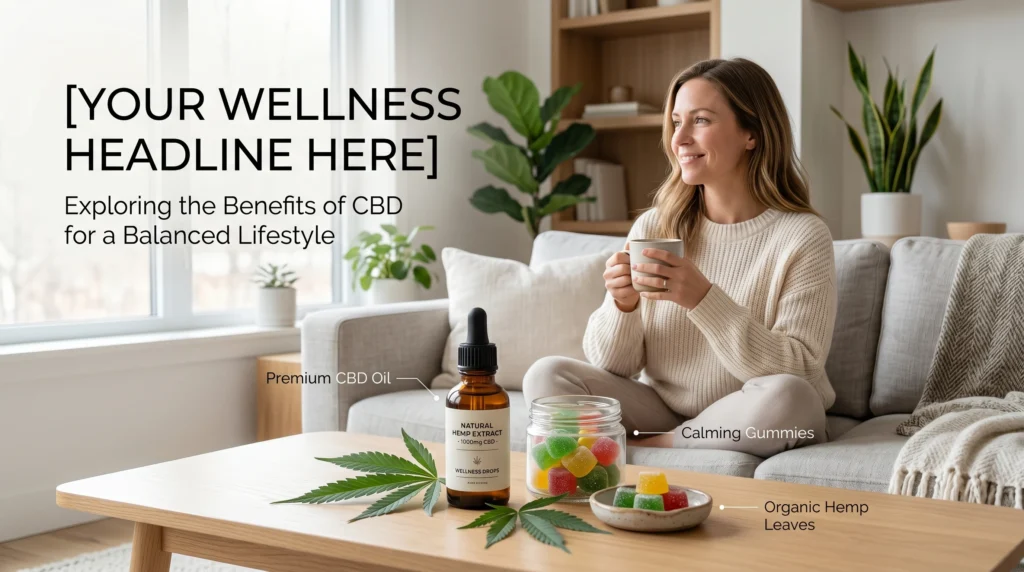
Have you ever been scrolling through social media, watching wellness videos, or chatting with friends when someone suddenly mentioned CBD? Maybe they said it helped them relax, sleep better, or manage everyday stress. If you’re like many people, you probably wondered what CBD actually does and why it has become so popular.
The first time I heard about CBD, it seemed like everyone had a different explanation. Some called it a wellness supplement, while others talked about its calming effects. That curiosity leads many people to ask the same question: what does CBD do, and how does it affect the body?
Quick Answer: CBD is a natural compound found in cannabis plants that may help support relaxation, stress management, sleep, and overall wellness without causing a typical marijuana “high.”
What Does CBD Do?
CBD stands for Cannabidiol, one of many natural compounds found in cannabis and hemp plants.
Unlike THC, which is the compound mainly responsible for the intoxicating effects of marijuana, CBD does not typically produce a “high.” Instead, it interacts with systems in the body that help regulate mood, sleep, discomfort, and overall balance.
Plain-English Explanation
Think of CBD as a compound that may help the body’s natural systems work more smoothly. Many people use it as part of their wellness routine to promote relaxation and support everyday comfort.
Why Do People Use CBD?
People commonly use CBD for:
- Relaxation
- Stress management
- Better sleep
- Everyday wellness support
- Recovery after physical activity
Example Sentence
“I started using CBD gummies as part of my evening routine to help me unwind after work.”
Summary: CBD is a non-intoxicating cannabis compound that may help support relaxation, sleep, stress management, and overall wellness.
How Does CBD Work in the Body?
CBD interacts with the body’s endocannabinoid system (ECS).
This system helps regulate many functions, including:
- Mood
- Sleep
- Appetite
- Memory
- Stress responses
- Pain perception
The ECS acts like a communication network throughout the body. CBD may influence this network, helping maintain balance in certain bodily processes.
Many researchers believe this interaction is one reason people report feeling calmer or more relaxed after using CBD products.
Where Is CBD Commonly Used?
CBD appears in many products and online discussions.
Common places where people talk about CBD include:
Social Media
People often share their experiences with:
- CBD oils
- Gummies
- Capsules
- Topical creams
Wellness Communities
Many wellness-focused groups discuss CBD as part of healthy lifestyle routines.
Online Forums
Users frequently exchange advice and personal experiences regarding CBD products.
Text Messages and DMs
Friends often recommend CBD products through casual conversations.
Health and Fitness Communities
Some athletes and fitness enthusiasts use CBD as part of recovery routines.
Tone
The term CBD itself is generally considered neutral and informational, not slang. It can appear in both casual and professional conversations.
Realistic Conversation Examples
Here are some examples of how people naturally use CBD in conversations:
- person 1: have you ever tried cbd gummies?
person 2: yeah, i use them sometimes before bed. - person 1: what’s cbd?
person 2: it’s a cannabis compound that doesn’t usually make you feel high. - person 1: why is everyone talking about cbd lately?
person 2: a lot of people use it for relaxation. - person 1: does cbd help you sleep?
person 2: some people say it helps them unwind at night. - person 1: i saw cbd drinks at the store.
person 2: they’re becoming pretty popular. - person 1: is cbd the same as marijuana?
person 2: not exactly, it’s just one compound found in cannabis plants. - person 1: do cbd products get you high?
person 2: cbd itself usually doesn’t. - person 1: my friend uses cbd oil every day.
person 2: lots of people include it in their wellness routine. - person 1: i’ve been stressed lately.
person 2: some people try cbd as part of their relaxation routine. - person 1: what’s the difference between cbd and thc?
person 2: thc is the compound linked to the high, while cbd is not.
When to Use and When Not to Use the Term CBD
Do
✅ Use CBD when discussing wellness products
✅ Use it when talking about hemp or cannabis compounds
✅ Use it in educational conversations
✅ Use it when discussing relaxation or wellness routines
✅ Use it when referring to cannabidiol products
Don’t
❌ Assume CBD affects everyone the same way
❌ Use CBD as a replacement for professional medical advice
❌ Confuse CBD with THC
❌ Assume all CBD products are identical
❌ Expect immediate results from every product
Comparison Table
| Context | Example Phrase | Why It Works |
|---|---|---|
| Wellness discussion | “I use CBD gummies.” | Correct use of the term |
| Product recommendation | “This CBD oil is popular.” | Refers to a CBD product |
| Educational conversation | “CBD stands for cannabidiol.” | Accurate explanation |
| Incorrect assumption | “CBD always works instantly.” | Not guaranteed for everyone |
| Confusing compounds | “CBD and THC are identical.” | Incorrect comparison |
Similar Terms and Alternatives
Many people encounter these related terms when learning about CBD.
| Term | Meaning | When to Use |
|---|---|---|
| CBD | Cannabidiol | General wellness discussions |
| THC | Psychoactive cannabis compound | Discussions about marijuana effects |
| Hemp | Cannabis plant variety | Product sourcing discussions |
| CBD Oil | Liquid CBD product | Product-specific conversations |
| CBD Gummies | Edible CBD product | Casual wellness discussions |
| Cannabinoids | Group of cannabis compounds | Educational or scientific discussions |
| Hemp Extract | Extract from hemp plants | Product labeling discussions |
Understanding these related terms can help you navigate conversations about CBD more confidently.
Frequently Asked Questions
What does CBD stand for?
CBD stands for Cannabidiol, a naturally occurring compound found in cannabis and hemp plants.
Does CBD get you high?
CBD itself generally does not produce the intoxicating effects commonly associated with THC.
Why do people use CBD?
Many people use CBD as part of routines focused on relaxation, wellness, sleep, and stress management.
Is CBD legal?
CBD laws vary by country, state, and region. Always check local regulations before purchasing or using CBD products.
Is CBD the same as THC?
No. CBD and THC are different compounds found in cannabis plants and have different effects.
What products contain CBD?
Common products include oils, gummies, capsules, beverages, creams, and topical products.
Can everyone use CBD?
CBD may not be appropriate for everyone. People should consult healthcare professionals if they have medical concerns, take medications, or have questions about potential interactions.
Final Thought
If you’ve ever wondered what does CBD do, the simple answer is that CBD is a natural cannabis compound that may support relaxation, stress management, sleep, and overall wellness without typically causing a marijuana-like high.
Its popularity continues to grow because many people are looking for ways to support their well-being through everyday routines. While experiences can vary from person to person, understanding what CBD is, how it works, and how people commonly use it can help you make more informed decisions when exploring wellness products and modern health trends.

Abdul Hadi is a writer who loves creating funny and engaging content. He enjoys making readers laugh with clever jokes and puns. His work focuses on humor that appeals to people of all ages.