Body
Have you ever been scrolling through social media and seen someone recommend zinc when talking about staying healthy? Maybe a friend mentioned taking zinc during cold season, or perhaps you noticed it listed on a vitamin bottle and wondered what it actually does.
The first time I heard about zinc, it seemed like just another nutrient people talked about online. However, after learning more, I discovered that zinc plays a huge role in keeping the body working properly.
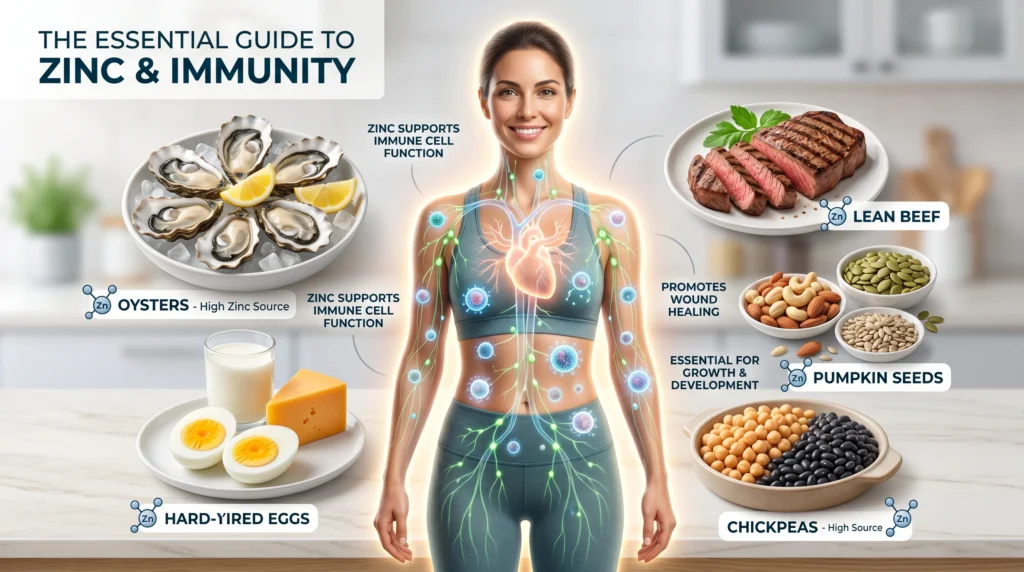
From supporting your immune system to helping wounds heal, this mineral is involved in many important processes. If you’re wondering what does zinc do for the body, this guide explains everything in simple terms.
Quick Answer: Zinc is an essential mineral that helps support the immune system, wound healing, cell growth, DNA production, and overall body health.
What Does Zinc Do for the Body?
Unlike texting abbreviations or internet slang, zinc is not a shortcut or acronym. Instead, it is a naturally occurring mineral that your body needs every day.
Is There a Full Form for Zinc?
No. Zinc is the actual name of the mineral.
Plain-English Explanation
Zinc helps your body perform hundreds of important functions. Every day, your body uses zinc to repair cells, build proteins, support growth, and keep your immune system functioning properly.
Without enough zinc, many body systems cannot work as efficiently as they should.
Why Do People Talk About Zinc So Much?
People often discuss zinc because:
- It supports immune health.
- It helps wounds heal.
- It contributes to healthy skin.
- It supports growth and development.
- It plays a role in taste and smell.
- It helps create DNA and proteins.
Example Sentence
“I make sure to eat zinc-rich foods because zinc helps support my immune system.”
Summary: Zinc is an essential mineral that helps your body grow, heal, repair, and stay healthy.
How Zinc Supports the Immune System
One of zinc’s most important jobs is helping the immune system work properly.
Helps Fight Germs
Your immune system uses zinc to create and activate immune cells. These cells help protect your body from bacteria, viruses, and other harmful invaders.
Supports Healthy Immune Responses
When zinc levels are adequate, your body can respond more effectively to infections and illnesses.
Why Zinc Is Popular During Cold Season
Many people take zinc supplements when they have a cold because zinc supports normal immune function. While zinc is not a cure, it is an important nutrient for overall immune health.
Key Benefit
A healthy immune system depends on adequate zinc intake.
How Zinc Helps Wounds Heal
Every time you get a cut, scrape, or injury, your body starts a repair process.
Supports Cell Repair
Zinc helps create new cells needed to replace damaged tissue.
Helps Skin Recover
Healthy skin relies on zinc to repair itself after injuries.
Used in Medical Care
Some wound-care products contain zinc because it plays an important role in tissue healing.
Bottom Line: Zinc helps your body recover from injuries and repair damaged tissue.
Zinc and Growth Development
Zinc is especially important during periods of growth.
Children Need Zinc
Children require zinc to support:
- Bone growth
- Physical development
- Cell production
- Healthy immune function
Teenagers Need Zinc Too
During puberty and growth spurts, zinc helps support normal development.
Adults Still Need Zinc
Even after growth slows, adults rely on zinc for ongoing maintenance and repair.
During Pregnancy
Zinc helps support healthy fetal growth and development.
Zinc Helps Build DNA and Proteins
Every cell in your body contains DNA.
DNA Production
Zinc helps the body create DNA, which contains the instructions for how your body works.
Protein Synthesis
Proteins are needed for:
- Muscles
- Skin
- Hair
- Organs
- Hormones
Zinc helps your body build these important proteins.
Why This Matters
Without enough zinc, normal growth and repair processes can become less efficient.
Zinc Supports Healthy Skin
Many skincare products include zinc because it contributes to skin health.
Helps Maintain Healthy Skin
Zinc supports normal skin growth and repair.
Supports Acne Treatments
Some acne products use zinc because of its role in maintaining healthy skin.
Helps Reduce Skin Damage
By supporting repair processes, zinc contributes to overall skin wellness.
Summary: Zinc helps keep your skin healthy and supports the body’s natural repair system.
Zinc and Your Sense of Taste and Smell
Many people do not realize zinc affects the senses.
Taste
Your taste buds rely on zinc to function properly.
Smell
The ability to smell normally also depends on adequate zinc levels.
What Happens If Zinc Is Low?
Some people with low zinc levels may notice:
- Reduced taste
- Reduced smell
- Lower appetite
These symptoms show how important zinc is for everyday life.
Foods Rich in Zinc
The best source of zinc is usually food.
Animal Sources
- Beef
- Chicken
- Turkey
- Seafood
- Oysters
- Eggs
- Dairy products
Plant Sources
- Beans
- Lentils
- Chickpeas
- Pumpkin seeds
- Nuts
- Whole grains
One of the Best Sources
Oysters contain some of the highest natural levels of zinc.
Eating a balanced diet helps ensure your body gets enough of this important mineral.
Signs You May Not Be Getting Enough Zinc
Zinc deficiency can affect many parts of the body.
Common Signs
- Frequent illness
- Slow wound healing
- Hair loss
- Poor appetite
- Skin issues
- Changes in taste
- Changes in smell
- Fatigue
Who Is More Likely to Have Low Zinc?
People who may be at higher risk include:
- Older adults
- People with digestive conditions
- Individuals with limited diets
- People who do not eat enough zinc-rich foods
Can You Have Too Much Zinc?
Yes.
While zinc is important, taking too much can cause problems.
Possible Side Effects
- Nausea
- Stomach discomfort
- Vomiting
- Diarrhea
- Headaches
Long-Term Excess Intake
Very high zinc intake over time may affect how the body absorbs other minerals.
Best Practice
Follow recommended serving sizes and speak with a healthcare professional before taking high-dose supplements.
Real-Life Health Conversations About Zinc
Example 1
person 1: i keep getting colds
person 2: maybe check if you’re getting enough zinc
Example 2
friend 1: what helps wounds heal faster?
friend 2: zinc is one nutrient your body uses for healing
Example 3
user 1: why is zinc in so many vitamins?
user 2: because it helps with a lot of body functions
Example 4
friend 1: i’m trying to improve my diet
friend 2: foods with zinc are a good place to start
Example 5
person 1: i heard oysters are healthy
person 2: they’re one of the best sources of zinc
Example 6
friend 1: why do doctors mention zinc?
friend 2: because it’s important for immune health
Example 7
user 1: does zinc help skin?
user 2: yes, it supports healthy skin and repair
Example 8
friend 1: what mineral helps growth?
friend 2: zinc plays a big role in that
When to Focus on Getting Enough Zinc
Do
✅ Eat zinc-rich foods regularly
✅ Maintain a balanced diet
✅ Follow supplement instructions
✅ Support overall wellness through nutrition
✅ Talk to a healthcare professional if concerned
Don’t
❌ Take excessive amounts of zinc
❌ Ignore signs of deficiency
❌ Assume supplements replace healthy eating
❌ Self-diagnose serious health issues
❌ Exceed recommended doses
Zinc Usage Comparison Table
| Situation | Example | Why It Works |
|---|---|---|
| Immune support | Eating zinc-rich foods | Supports normal immune function |
| Wound healing | Getting enough zinc | Helps tissue repair |
| Growth | Healthy childhood diet | Supports development |
| Skin health | Balanced nutrition | Contributes to healthy skin |
| Excess supplements | Taking very high doses | Can cause side effects |
Nutrients Similar to Zinc
| Nutrient | Main Function | Best Use |
|---|---|---|
| Iron | Oxygen transport | Energy and blood health |
| Magnesium | Muscle and nerve function | Overall body support |
| Calcium | Bone strength | Skeletal health |
| Vitamin C | Immune support | Antioxidant protection |
| Vitamin D | Bone and immune health | Calcium absorption |
While each nutrient has different roles, zinc remains one of the most important minerals for growth, repair, and immunity.
Frequently Asked Questions
What does zinc do for the body?
Zinc supports immune function, wound healing, growth, cell repair, DNA production, and healthy skin.
Is zinc important for the immune system?
Yes. Zinc helps immune cells develop and function properly.
What foods contain zinc?
Good sources include oysters, beef, poultry, seafood, dairy products, beans, nuts, and seeds.
Can zinc help wounds heal?
Yes. Zinc plays an important role in tissue repair and recovery.
What happens if you don’t get enough zinc?
Low zinc levels may lead to slower healing, weakened immunity, appetite changes, and other symptoms.
Can you take zinc every day?
Many people get zinc daily through food. Supplements should be taken according to recommendations.
Is zinc good for skin health?
Yes. Zinc supports healthy skin growth and repair.
Final Thought
Understanding what does zinc do for the body helps explain why this mineral is so important. Zinc supports the immune system, helps wounds heal, contributes to healthy skin, assists with growth and development, and plays a role in hundreds of essential body processes.
Because the body cannot store large amounts of zinc, getting enough through a balanced diet is important for long-term health. Whether you’re focused on wellness, immunity, or healthy growth, zinc is a nutrient your body depends on every single day.

Joseph Tylor is a writer who loves crafting humorous and engaging content. He enjoys creating clever jokes, puns, and lighthearted stories. His work aims to entertain and bring smiles to readers of all ages.